The Current Political Divide: A Deep Dive into the Call for a “National Divorce”
In recent weeks, the political rhetoric in the United States has reached a fever pitch, marked notably by calls for what some are terming a “national divorce.” This concept, most prominently discussed by Congresswoman Marjorie Taylor Greene, suggests a separation between red and blue states, with an emphasis on strengthening state rights and diminishing the federal government’s influence. Such proclamations raise questions about the implications for national unity and governance, igniting debates that echo historical divides.
Greene’s recurring tweets advocating for this separation reflect sentiments felt by many within her party. She asserts that the current cultural landscape, characterized by what she describes as a “sick and disgusting woke culture,” mandates a reevaluation of the union. This call for a national divorce, however, is not merely an expression of discontent; it presents a stark challenge to the principles of unity and coexistence that have historically underpinned American democracy.
The congresswoman insists that this proposed division does not evoke the Civil War but instead seeks to reestablish what she believes to be the foundational intentions of the nation’s founders. She posits that the federal government has overstepped its bounds and that a stronger emphasis on state autonomy is paramount. This argument often draws upon an image of a past America that supposedly thrived under decentralization. Yet, it bears remembering that the Civil War was fought precisely to prevent a schism arising from differing state rights and economic disparities.
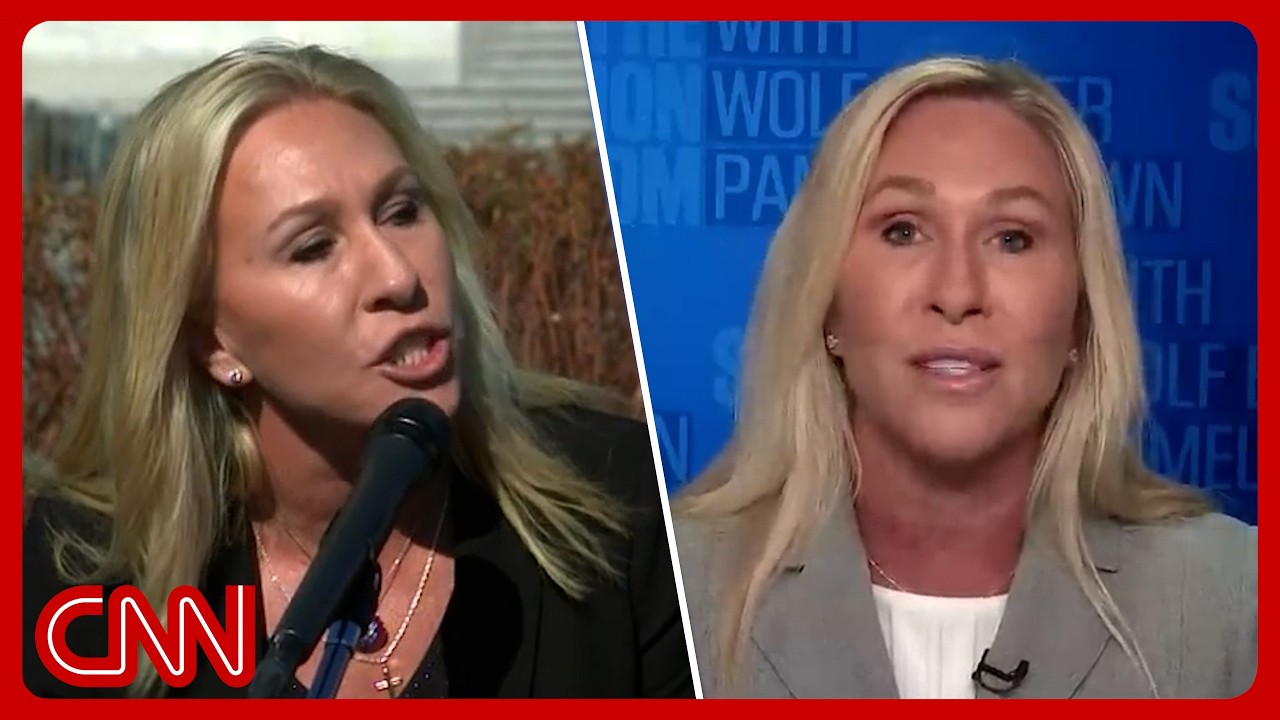
The implications of Greene’s rhetoric extend beyond mere policy suggestions; they intertwine with ongoing narratives surrounding electoral integrity. In a recent confrontation with Georgia election official Gabriel Sterling, Greene reiterated unsubstantiated allegations of widespread electoral fraud. Her insistence on the legitimacy of these claims, despite their repeated dismissal by courts and investigations, illustrates a troubling trend of distrust that permeates the political landscape.
The dynamic within Greene’s party also warrants scrutiny. While some members of the House Republican caucus appear hesitant to align fully with her radical advocacy, others, buoyed by her influence, continue to echo her sentiments. This split raises questions about the future trajectory of the Republican Party and whether it can continue to function as a cohesive unit.
Greene’s engagements in congressional proceedings have also drawn criticism, particularly her confrontations with Democratic representatives. In one notable instance, she suggested that her colleague Jamal Bowman’s outspoken nature presented a physical threat to her, a claim laden with racial undertones that sparked significant backlash. Her analogy likening accusations of racism to historically significant slurs highlights the contentious nature of identity politics in contemporary discourse.
The proliferation of such personal confrontations and the derailing of serious legislative work exemplifies the extent to which political discourse has devolved. This shift is partly fueled by the portrayal of opponents as existential threats, drawing upon historical and cultural narratives to legitimize extreme positions.
The discourse surrounding Greene’s call for a national divorce is further complicated by the broader implications of a political landscape rife with division. The public grappling with issues like the ongoing COVID-19 pandemic and international conflicts finds itself navigating a sea of contradictory information. The tensions reached an apex during a recent congressional hearing where personal attacks overshadowed substantive discussions about public health.
Amidst the chaos, the responsibility of political leadership comes into sharp focus. Greene’s denunciations of former President Donald Trump—coupled with her insistence on transparency regarding sensitive issues like the Epstein files—illustrate an ongoing battle for the soul of the Republican Party. Her criticisms of Trump, whom she once fervently supported, reveal fractures that could reshape the political battlefield ahead.
Ultimately, the discussions surrounding a “national divorce” reflect broader societal fissures that challenge the foundational ideals of the United States. The divide between red and blue states is not merely geographical but embodies deep-seated philosophical differences about governance, identity, and policy. As leaders like Greene articulate these divides, the nation must reckon with the repercussions of such rhetoric on democratic principles and societal cohesion.
As we navigate this volatile landscape, the challenge remains clear: fostering dialogue and understanding across divides is essential for the future of American democracy. A united approach is vital not only for governance but for ensuring that the diverse voices within the nation are heard and respected. The quest for common ground is more crucial now than ever.